In today’s fast‑paced environment, a well‑structured digital planner can turn scattered to‑dos into a clear, repeatable routine. Unlike paper notebooks, digital versions adapt to shifting priorities, sync across devices, and let you enrich each entry with links, images, or reminders. This article walks you through practical ways to design a planner that not only tracks tasks but also supports your broader goals, using real‑world analogies and concrete steps.
Collaborative Planning: Lessons from Group Art Sessions

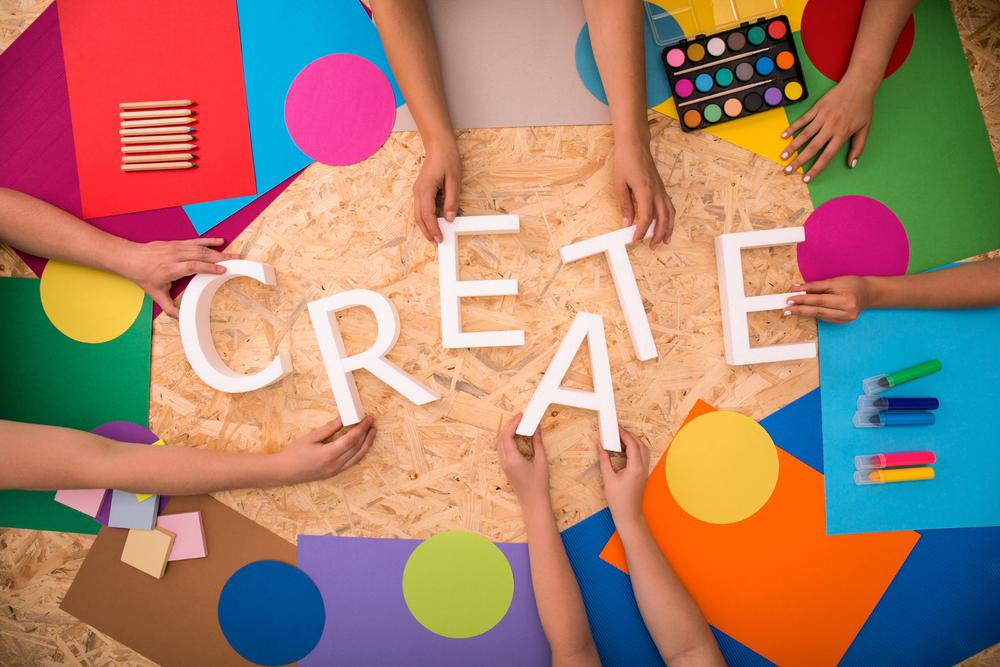
Just as young artists share brushes and build on each other’s sketches, a digital planner thrives when you invite input from teammates, family members, or even online communities. By treating each planning session like a joint art project, you capture diverse perspectives, spot blind spots, and create a schedule that feels collectively owned. This collaborative mindset makes the planner more resilient and enjoyable to use.
From Sketch to Structure: How Artists Organize Their Creative Workflow

Artists excel at converting a vague vision into a concrete piece; the same technique works for digital planning. Break down high‑level objectives into bite‑size actions, then arrange those actions in a logical flow that mirrors brushstrokes on a canvas. When each task has a clear place, you can see how daily habits contribute to larger milestones, turning abstract goals into a tangible roadmap.
Choosing the Right Platform for Your Digital Planner
Not every app delivers the same balance of simplicity and depth. Some users prefer ultra‑lightweight tools that sync instantly, while others need rich features such as embedded checklists, habit trackers, and calendar overlays. Evaluate platforms based on offline access, customization options, and community support. Selecting a tool that integrates smoothly with your existing apps reduces friction and encourages daily engagement.
Practical Steps to Build and Maintain Your Planner
Begin with a skeleton framework: define core sections — daily, weekly, and monthly — and populate them with specific actions. Use pre‑made templates to accelerate the initial setup, then refine them as you discover what works best for your rhythm. Schedule a brief review each Sunday to delete outdated items, adjust priorities, and add fresh ideas. Incremental tweaks, rather than wholesale overhauls, keep the planner relevant and prevent burnout.
In today’s fast‑paced environment, a well‑structured digital planner can turn scattered to‑dos into a clear, repeatable routine. Unlike paper notebooks, digital versions adapt to shifting priorities, sync across devices, and let you enrich each entry with links, images, or reminders. This article walks you through practical ways to design a planner that not only tracks tasks but also supports your broader goals, using real‑world analogies and concrete steps.
Collaborative Planning: Lessons from Group Art Sessions
Just as young artists share brushes and build on each other’s sketches, a digital planner thrives when you invite input from teammates, family members, or even online communities. By treating each planning session like a joint art project, you capture diverse perspectives, spot blind spots, and create a schedule that feels collectively owned. This collaborative mindset makes the planner more resilient and enjoyable to use.
From Sketch to Structure: How Artists Organize Their Creative Workflow
Artists excel at converting a vague vision into a concrete piece; the same technique works for digital planning. Break down high‑level objectives into bite‑size actions, then arrange those actions in a logical flow that mirrors brushstrokes on a canvas. When each task has a clear place, you can see how daily habits contribute to larger milestones, turning abstract goals into a tangible roadmap.
Choosing the Right Platform for Your Digital Planner
Not every app delivers the same balance of simplicity and depth. Some users prefer ultra‑lightweight tools that sync instantly, while others need rich features such as embedded checklists, habit trackers, and calendar overlays. Evaluate platforms based on offline access, customization options, and community support. Selecting a tool that integrates smoothly with your existing apps reduces friction and encourages daily engagement.
Practical Steps to Build and Maintain Your Planner
Begin with a skeleton framework: define core sections — daily, weekly, and monthly — and populate them with specific actions. Use pre‑made templates to accelerate the initial setup, then refine them as you discover what works best for your rhythm. Schedule a brief review each Sunday to delete outdated items, adjust priorities, and add fresh ideas. Incremental tweaks, rather than wholesale overhauls, keep the planner relevant and prevent burnout.
Blank Canvas To Masterpiece: Ultimate Guide To Creating Art!
Blank Canvas to Masterpiece: Ultimate Guide to Creating Art!
How To Write AI Prompts To Create Great Content (+ Examples)

How to Write AI Prompts to Create Great Content (+ Examples)
Free Artist Creating Art Image | Download At StockCake

Free Artist Creating Art Image | Download at StockCake