If you’re a curious beginner looking to create custom planner pages, Canva offers a handful of intuitive locations—templates, custom dimensions, and brand kits—each suited to different workflow needs. Understanding where to start will help you avoid wasted time and produce layouts that feel both personal and professionally polished.
Using Canva’s Template Library for Quick Starts
Canva’s built‑in template library is the most straightforward entry point. Search “planner” and filter by format (A5, Letter, or US Letter) to pull ready‑made grids, habit trackers, and monthly spreads. Because these templates are pre‑styled, you can focus on swapping colors, fonts, and images rather than building a layout from scratch.
Creating a Blank Canvas with Custom Dimensions
When you need a specific page size—such as a 7 × 10 inch pocket planner or a 5.5 × 8.5 inch half‑letter—select “Custom size” from the home screen. Enter exact measurements, choose “inches,” and you’ll receive a clean canvas where every element is yours to place. This approach is ideal for designers who prefer total control over margins, bleed areas, and grid placement.
Leveraging Brand Kits for Consistent Aesthetics
Brand kits let you store a palette, typography set, and logo once, then apply them across all planner pages with a single click. For beginners who worry about maintaining visual harmony, setting up a kit early saves repetitive styling work and ensures each page feels cohesive, whether you’re designing daily logs or yearly overviews.
Example: Turning a Return‑to‑Work Form into a Planner Page
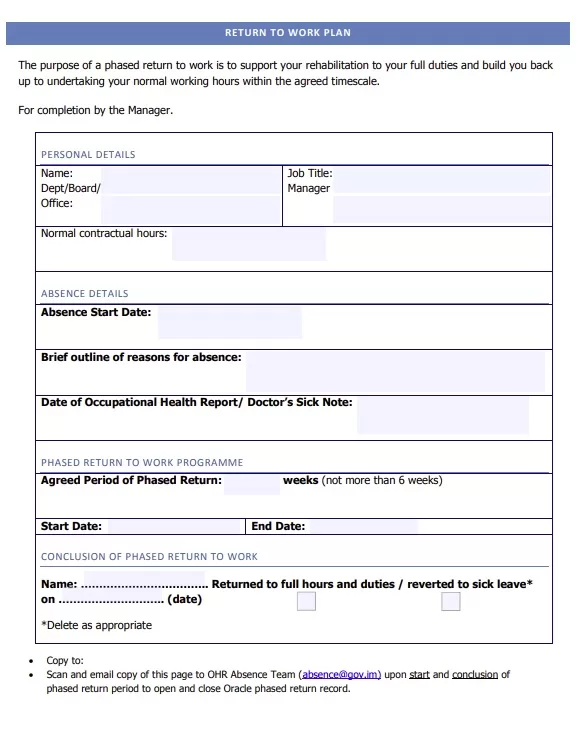
This downloadable return‑to‑work form demonstrates how a functional document can be re‑imagined as a planner spread. Import the PDF into Canva, unlock the elements, and replace the corporate branding with your own colors. The result is a hybrid page that tracks both tasks and health metrics—a useful template for anyone balancing work and wellness.
Choosing the Right Location for Your First Project
If speed matters, begin with a template and tweak it to match your style. If precise dimensions or unique layouts are non‑negotiable, open a custom canvas. When you plan to produce an entire planner series, invest time in a brand kit first. By aligning your choice with the project’s priorities, you’ll streamline the design process and end up with pages that truly fit your needs.
If you’re a curious beginner looking to create custom planner pages, Canva offers a handful of intuitive locations—templates, custom dimensions, and brand kits—each suited to different workflow needs. Understanding where to start will help you avoid wasted time and produce layouts that feel both personal and professionally polished.
Using Canva’s Template Library for Quick Starts
Canva’s built‑in template library is the most straightforward entry point. Search “planner” and filter by format (A5, Letter, or US Letter) to pull ready‑made grids, habit trackers, and monthly spreads. Because these templates are pre‑styled, you can focus on swapping colors, fonts, and images rather than building a layout from scratch.
Creating a Blank Canvas with Custom Dimensions
When you need a specific page size—such as a 7 × 10 inch pocket planner or a 5.5 × 8.5 inch half‑letter—select “Custom size” from the home screen. Enter exact measurements, choose “inches,” and you’ll receive a clean canvas where every element is yours to place. This approach is ideal for designers who prefer total control over margins, bleed areas, and grid placement.
Leveraging Brand Kits for Consistent Aesthetics
Brand kits let you store a palette, typography set, and logo once, then apply them across all planner pages with a single click. For beginners who worry about maintaining visual harmony, setting up a kit early saves repetitive styling work and ensures each page feels cohesive, whether you’re designing daily logs or yearly overviews.
Example: Turning a Return‑to‑Work Form into a Planner Page
This downloadable return‑to‑work form demonstrates how a functional document can be re‑imagined as a planner spread. Import the PDF into Canva, unlock the elements, and replace the corporate branding with your own colors. The result is a hybrid page that tracks both tasks and health metrics—a useful template for anyone balancing work and wellness.
Choosing the Right Location for Your First Project
If speed matters, begin with a template and tweak it to match your style. If precise dimensions or unique layouts are non‑negotiable, open a custom canvas. When you plan to produce an entire planner series, invest time in a brand kit first. By aligning your choice with the project’s priorities, you’ll streamline the design process and end up with pages that truly fit your needs.